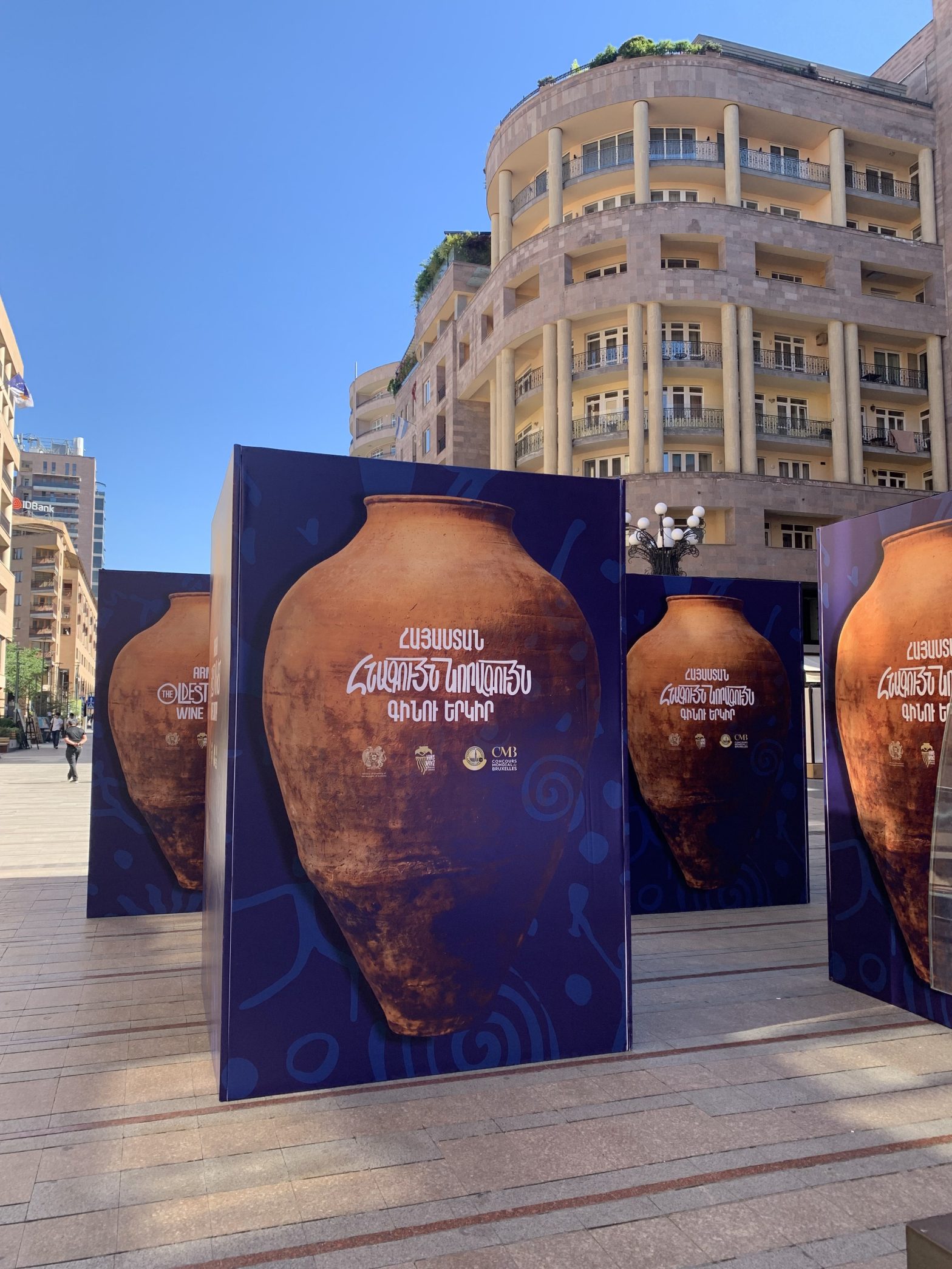
Exploring Armenian Wine, Culture and History
This spring, I had the great pleasure of visiting Armenia – and Armenia and Armenian wine has actually been on my bucket list for a decade by now.
Armenia… Why Armenia?
A reasonable question, as neither Armenia nor Armenian wine is very well known outside of the region. However, since tasting Armenia’s signature red, Areni Noir or Sev Areni, at Prowein back in 2016 I knew that Areni in itself would be worth a trip. At what else could Armenia have to offer? Wine. Culture. History.
Armenia is located in the Armenian Highlands and it neighbors Turkey, Georgia and Azerbaijan. and its 35,000 km2 is the home of some 3 million inhabitants, but a further 8 million Armenians live abroad and of those, approx. 1 million reside in California and another million in the Moscow area.
Armenian culture goes way back and is the obvious reason for these big groupings of expats. Armenia is a Christian nation and actually Armenia was the very first Christian NATION! Think about it. An entire NATION opting for Christianity – in 301 AC!
Another absolutely unique feature in Armenia and obviously yet another cornerstone of Armenian culture is the Armenian language, which is literally similar to… None! Introduced in 405 AC with 36 letters, along the line even more letters were needed and today the Armenian alphabet consists of 39 letters.
The very first book to be translated into Armenian was nothing less than The Holy Bible!
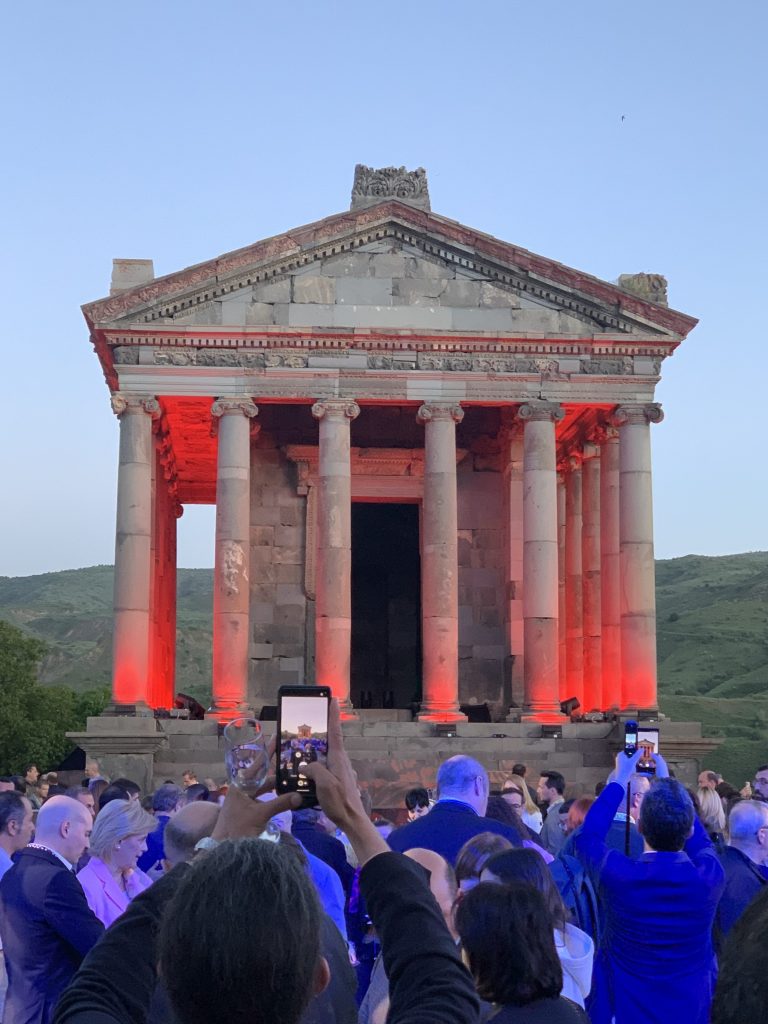
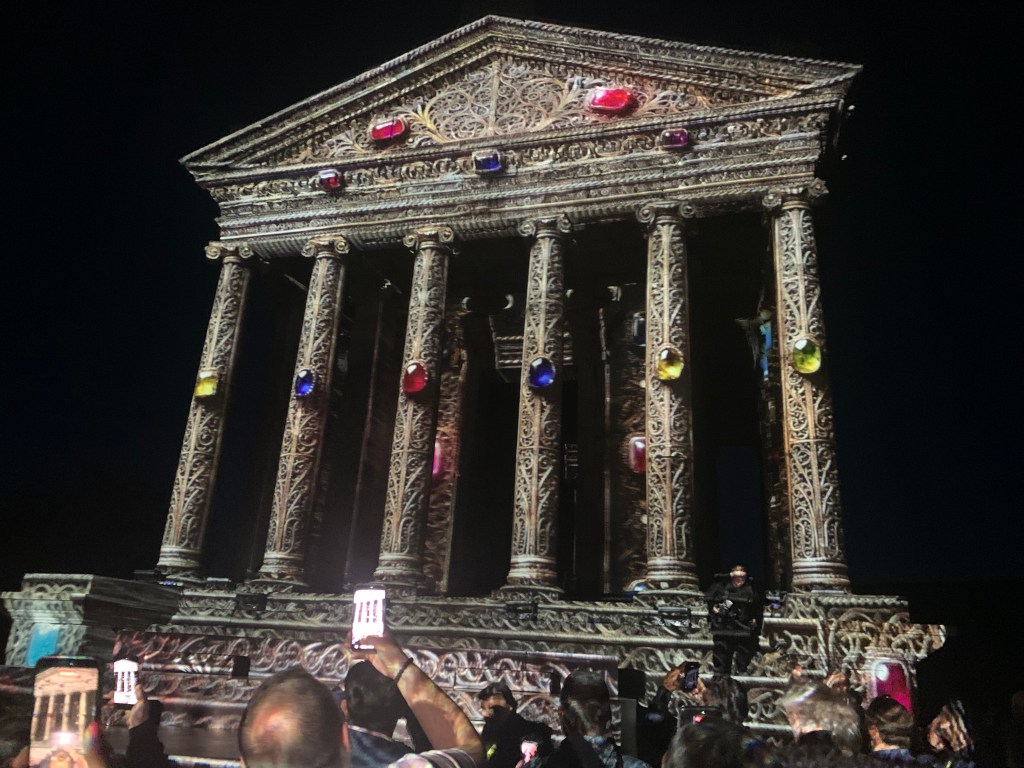
Travel about 30 km east of Yerevan for an impression of a pre-Christian Armenia at the spectacular and immensely beautiful Pagan Temple in Garni, built in 77 AC by Tiritades 1. It is the only remaining temple of its kind in Armenia and it is dedicated to Mithras, the God of the Sun.
Traditional historiography of Great Armenia cites 12 major historical capitals leading up to modern times. A few is today part of Turkey and several are uninhabited or archaeological sites and/or touristic sites.
Only three of the former capitals remain as important cities today:
Just west of Yerevan, Vagharshapat (seat of the Catholics of All Armenians and home of Etchmiadzin Cathedral) remains to this day as the spiritual center of the Armenian nation and further west, Armavir is the administrative center of the Armavir province.
Ararat Valley, which is considered the cradle of Armenia, accounts for 7 of these historical cities, but only Artashat, the administrative center of the Ararat province remains as an inhabited modern city.
Pink City
Ever been to Yerevan, Armenia’s modern time capital?
The city has an impressive history to show for and it is not shy about showing it off. Actually, the city is 2,808 years of age. Or rather, Erebuni Fortress, founded by King Arghishti 1. of Urartu, is. That is old! Yerevan is in fact 29 years older than Rome, which was only founded in 753 BC.
Despite its age, it was never the first capitol of Armenia. In fact, Van was. Van, one of the twelve historical capitols, is today an important city in eastern Turkey.
Ever thought about all the beautiful, spectacular buildings in Yerevan, all pink?
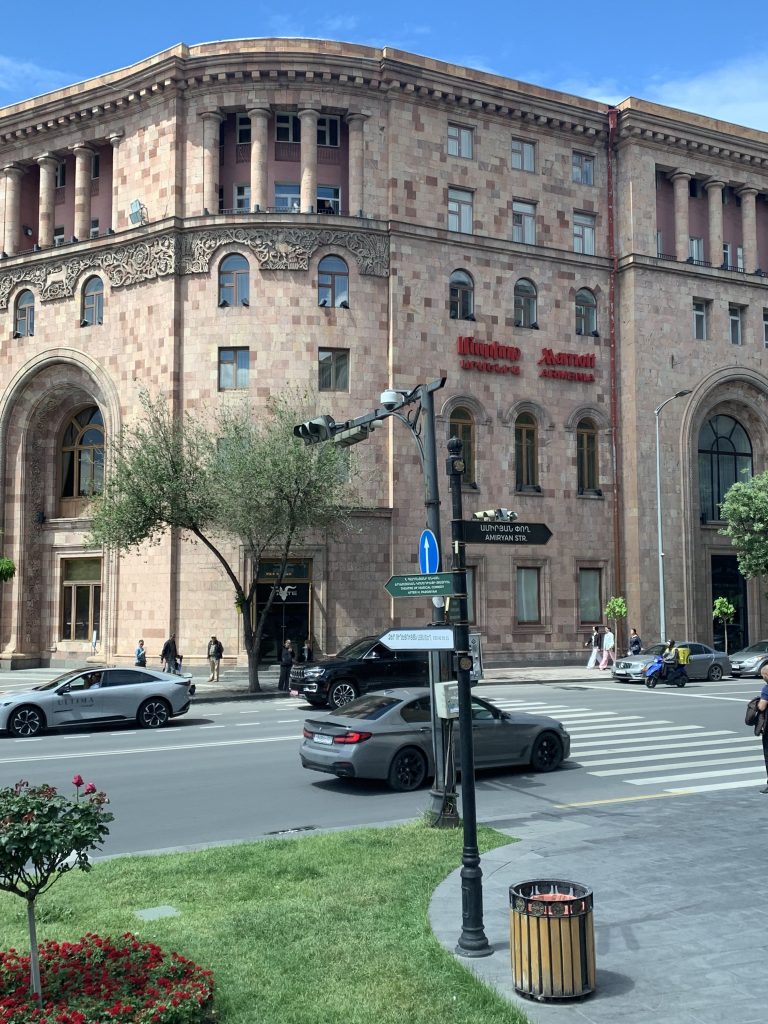
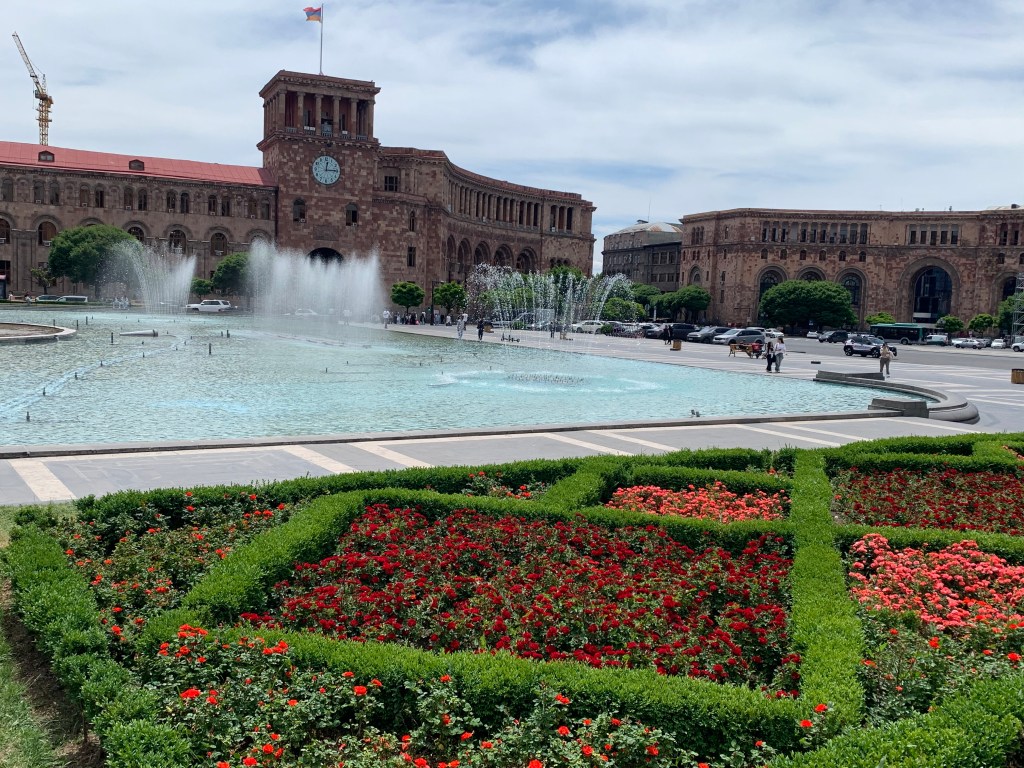
Well, Armenia consists of 40 different types of tuffs and all of these pink buildings in Yerevan are built from a particular pink tuff. Architect Alexander Tamanyan planned and designed the city center in the 1920s to this particular stone. Hence the nick-name: Pink City.
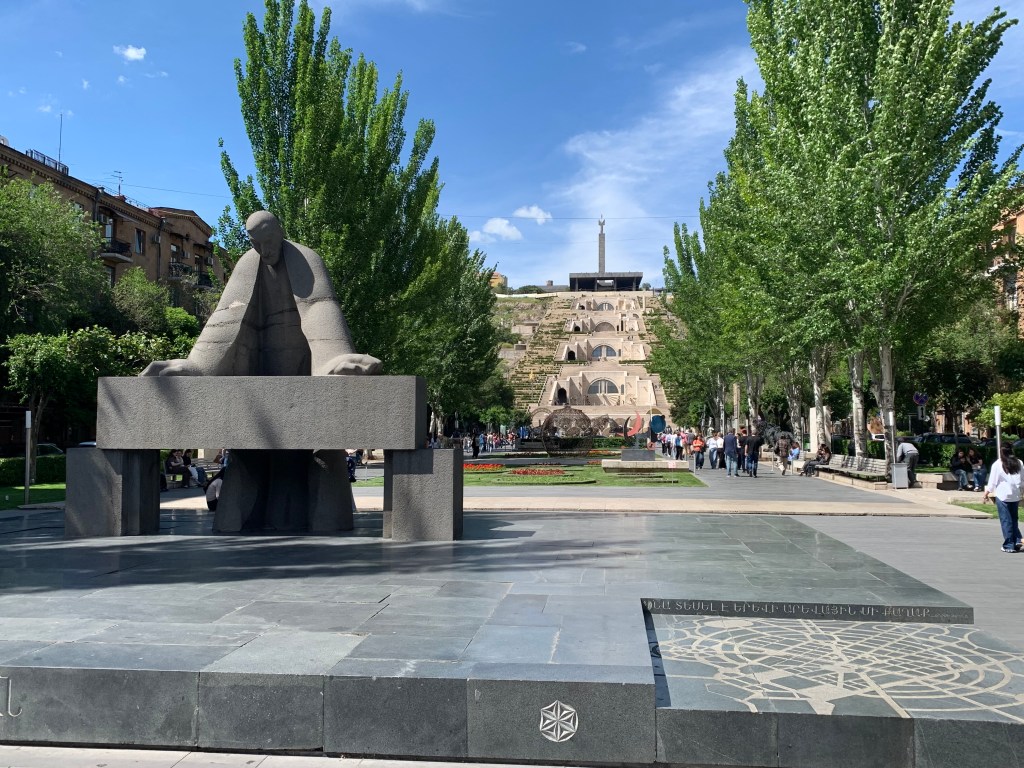
Visit Republic Square, especially beautiful in the evening, for a magnificent look at these buildings or visit the Cascade or the Opera House for equally impressive impressions.
Hayk Nahapet and the Tower of Babel
Back in the 25th century BC, Hayk, the proud and mighty giant, participated in the building of the initial Tower of Babel, but when the Babylonian King Bel demanded 100% worship, Hayk refused and headed north with his people. Bel set after him and in a gigantic battle near Mt. Ararat and Lake Van, Hayk killed Bel and hence secured the independence of his people.
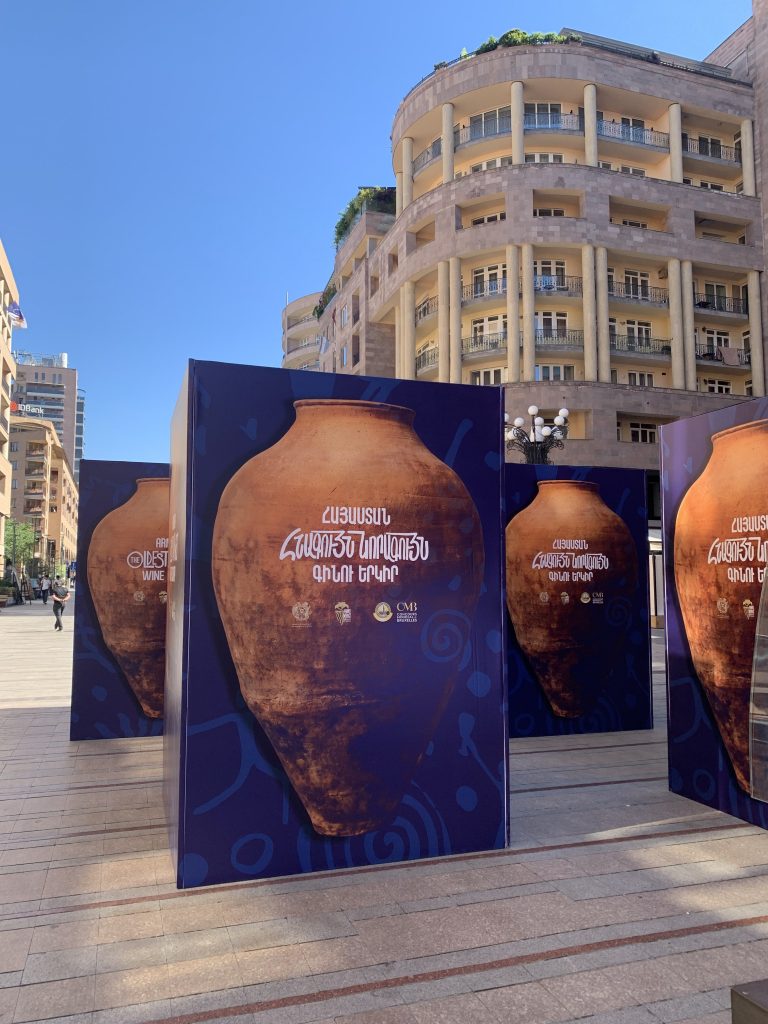
The oldest newest wine country
In terms of resources, Armenia doesn’t have oil in the underground like all of its neighboring countries, but they do have sufficient water supplies to secure unfiltered drinking water and they do have 300 days of sun spread across four actual, genuine seasons.
Water supplies and sun together with high altitude should bode very well for top tier wine production and winemaking in Armenia goes way back, way further back than Southern Italy or Greece.
Wine consumption in Armenia is moderate at 4.8 liter/capita a year, yet wine is increasingly important and much effort is put into putting the country on the world wine map. Don’t expect Armenia or Armenian wines to be mainstream, but consider it an intriguing glass of something new and exciting in a big ocean of well-known grapes, regions and countries.
Armenia is home to 450 indigenous varieties of which 55 are cultivated (30 black ones and 25 whites), so the curious and adventurous wine lover will find lots to discover from the 180 wine producers, producing some 12 million bottles of wine from approximately 13,000 hectares spread across the wine producing regions: Ararat, Aragotsotn, Armavir, Tavush and Vayots Dzor.
The intensive labor put into both winemaking and marketing is paying off, as Armenian wines have been awarded more than 500 medals in internation competitions over the last decade.
Concours Mondial de Bruxelles in Armenia
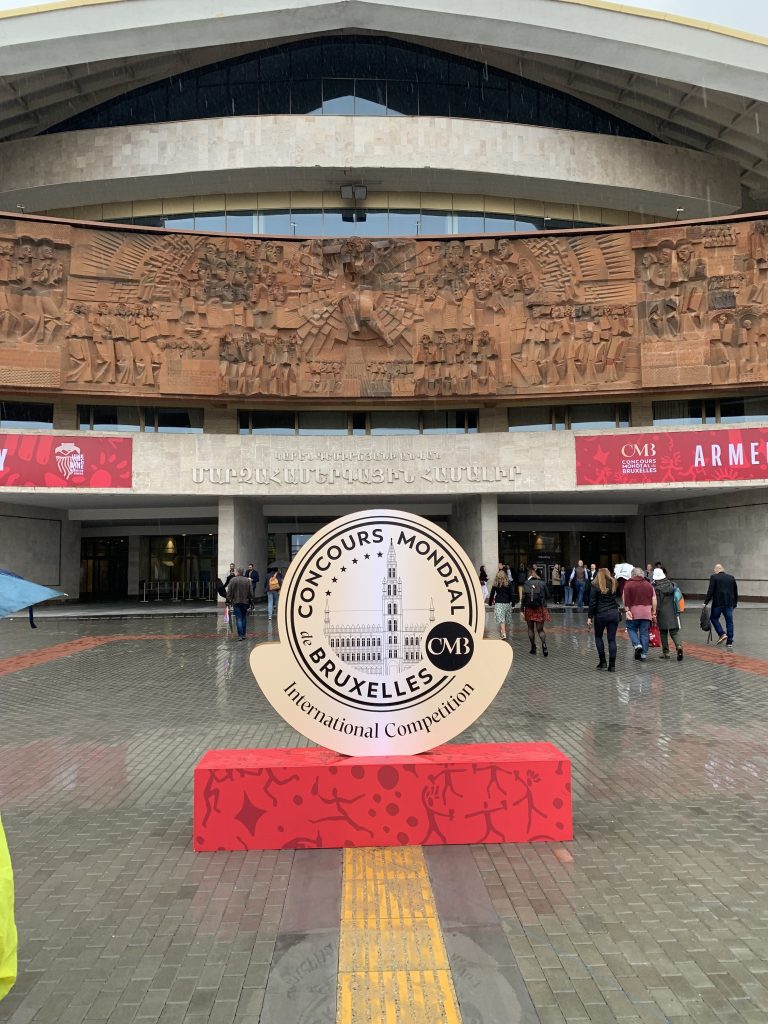
A key feature in the Armenian aspiration to become much more well known was been bringing Concours Mondial de Bruxelles to Yerevan and Vine and Wine Foundation of Armania and Executive Director Zaruhi Muradyan did a magnificent job in organizing an event that saw more than 320 tasters from 56 nations across the world tasting and rating no less than 6,700 reds and whites from 51 countries as well as 1,000 sparkling wines from 30 different countries whilst exploring the Armenian country, history and culture, gastronomy and wine and the incredible hospitality of Armenia and the Armenians.
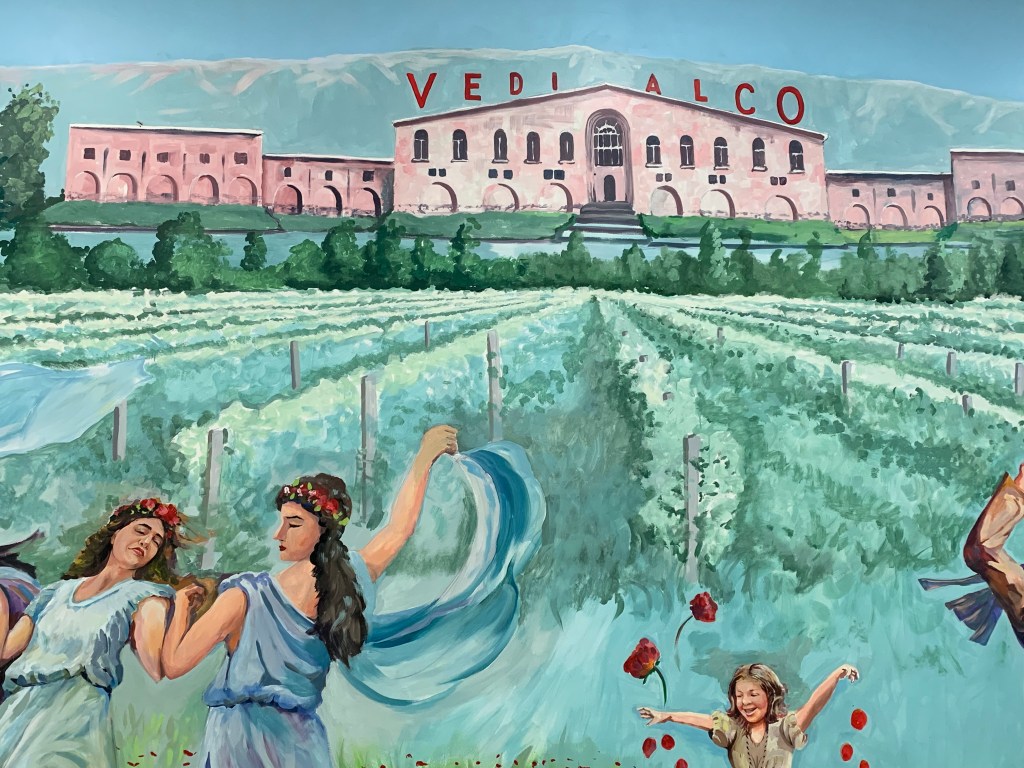
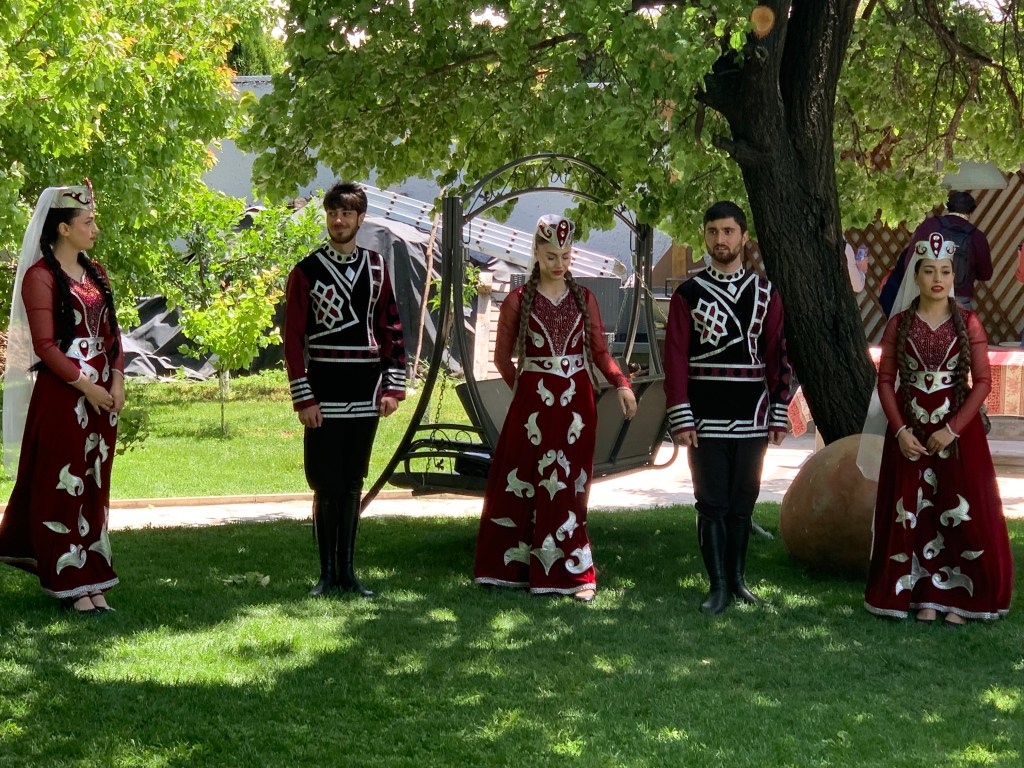
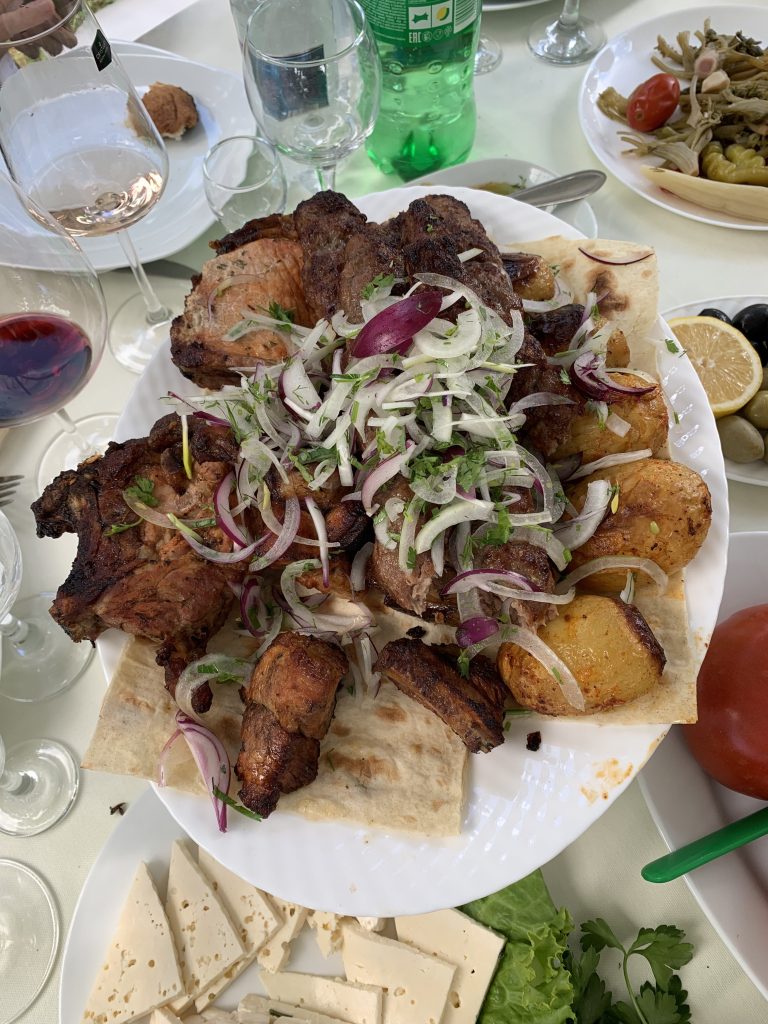
Vayots Dzor, south-east of Yerevan, is the most celebrated wine region in Armenia for fine-wine. The region is immensely beautiful and you don’t need to be interested in wine at all to find a visit to Vayots Dzor just wonderful. If you are into hiking, allow yourself at least a few weeks! For historical and cultural understanding, a visit to Noravank Monastery is highly rewarding and its proximity to the highly important excavations at Areni-1 make for a double slam!
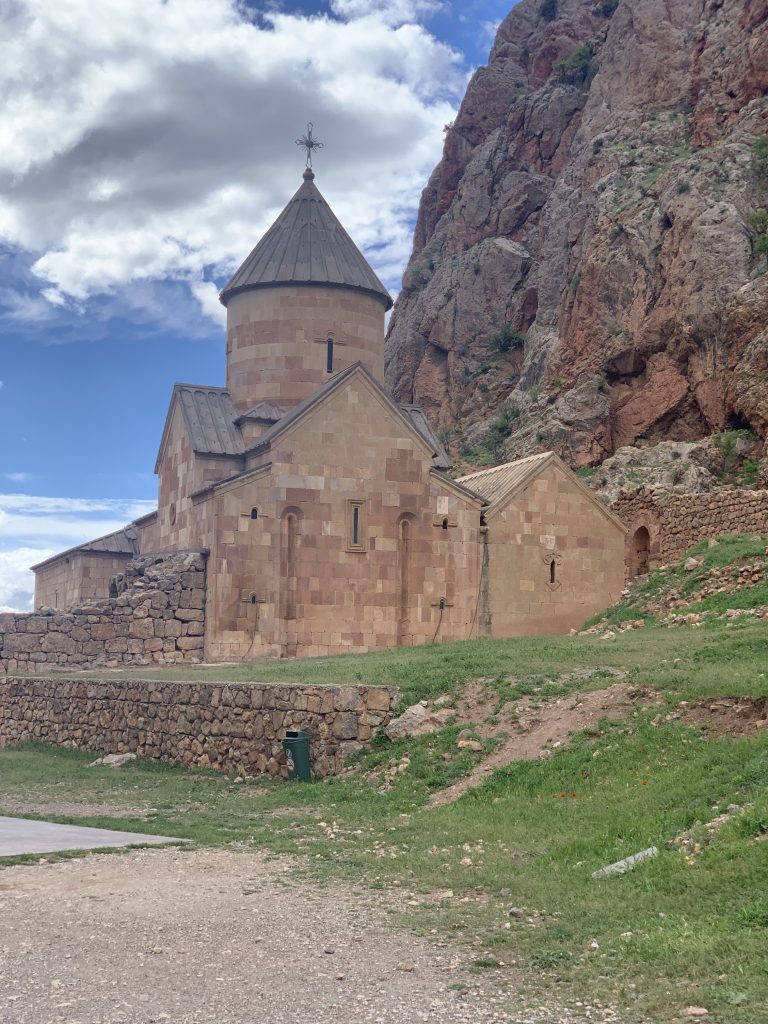
Areni-1 (Birds’ Cave) consists of the oldest winemaking facility to have ever been excavated and it dates back 6,100 years! Earlier findings in the region suggest that grapes have been cultivated and possibly somehow processed, but only the findings of Boris Kasparyan definitely pin production of wine to the region this long ago!
Vayots Dzor is the native home of Armenia’s most famous black grape, Areni, whose history goes back to the days of the discoveries in Areni-1 and most likely origins from the village of Areni. I remember Hugh Johnson recommending Areni to fans of Pinot Noir and Italian consultant Alberto Antonini thinks of it as sort of a cross between Sangiovese and Pinot Noir and I absolutely second both opinions.
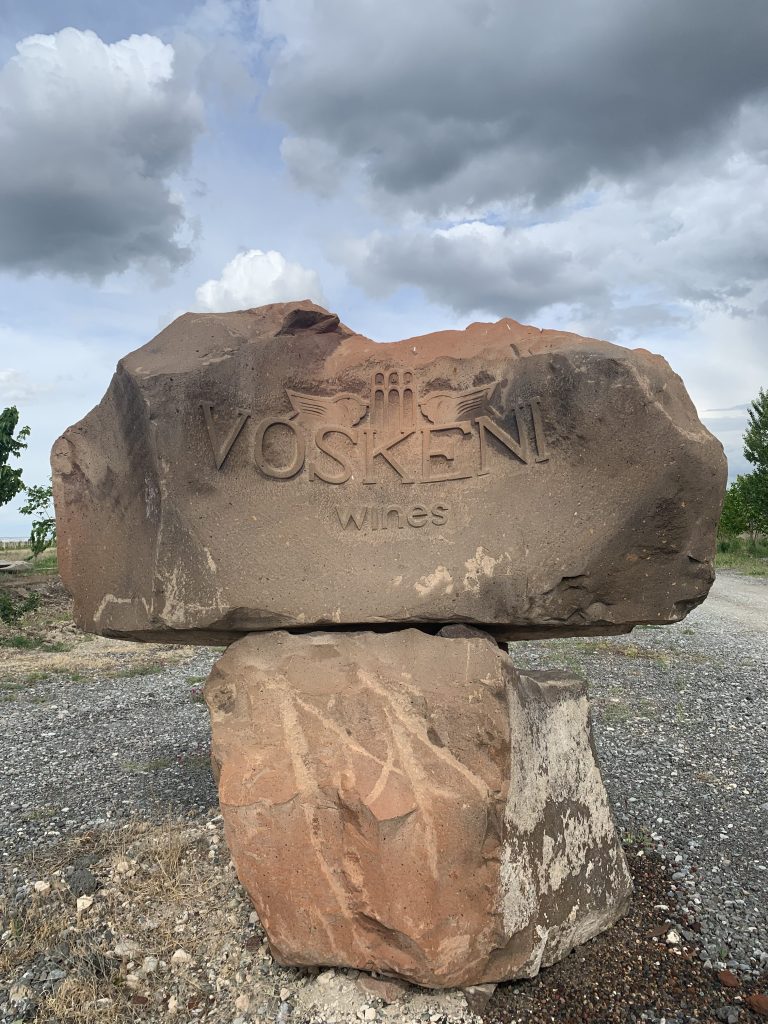
Voskeni Winery in the Armavir region is located at 1,000 meters altitude in Araks about 10 km from Armavir. Armavir is modern day’s name of the historical city of Sardarapat, which is where the Armenians stopped the Ottomans in The Battle of Sardarapat in 1918. Voskeni happens to produce a wine to commemorate the battle, the Sardarapati Areni Reserve.
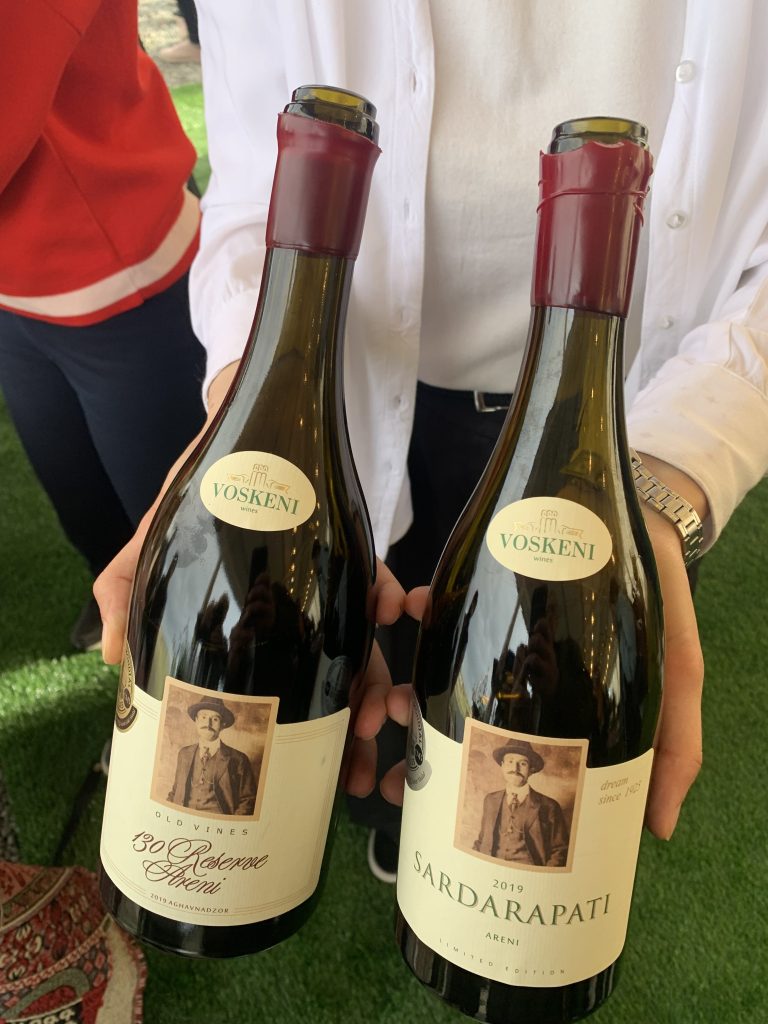
At Voskeni the focus is on Areni and Voskehat, Voskehat being used for sparkling wines too. Very interesting is their use of the very rare Tozot variety in a Blanc de Noir.
Voskeni produces some 300,000 bottles annually, 60% of which are exported, Sweden being a (maybe somewhat surprising) important market.
Comparing their Areni Reserve’s 2022 and 2023 is quite interesting:
2022 spend 28 months in oak, a further 24 months in tank and finally 12 months in bottle. Aromas of ripe, red fruit: Cherry and strawberry. Smokey, bacony oak. The 2023 saw 24 months in 50/50 Armenian/French oak and displayed brighter red fruit.
For the 2025, time spend in oak was further reduced to 18 months.
The barrel regime has changed over the years too, with French oak replacing some of the Armenian oak, which made up to as much as 100% in 2016. From 2020 it was more of a 60/40 split with the 2023 Reserve being 50/50.
Voskeni Old Vines 130 Reserve Areni Aghavnadzor 2019 is a beautiful expression of Areni produced by some of the oldest Areni vines in Armenia. These vines were planted more than 130 years ago in Vayots Dzor at more than 1,650 meters altitude near the village Aghavnadzor.
Lovely red fruit aromatics of cherry, strawberry, raspberry and cranberry. 24 months in new Armenian oak provides vanilla and cloves. Forest floor, mushroom and a touch of menthol add complexity. On the palate, its freshness from intense acidity really complements the highly elegant tannins.
No wonder, this wine was a Grand Gold Medal winner at Concours Mondial de Bruxelles in 2025!
Aghavnadzor happens to be very close to Noravank Monastery and Areni-1.
Back in the 1990s, Armenak Aslanian moved from Yerevan to US together with his family, including 8 years old daughter, Victoria. Upon enjoying immense success as a businessman out of Glendale, California, Aslanian relocated to Armenia in 2007 to set up a winery on 180 hectares in the rigged, volcanic lands of Aragotsotn.
ArmAs is a very good example of the financial influx to the Armenian from successful Armenian expats, returning back home to set up wineries.
In 2009, Victoria Aslanian, by now a history major graduate, joined the company and today she is CEO of ArmAs Estate, which also operates a boutique hotel on the premises.
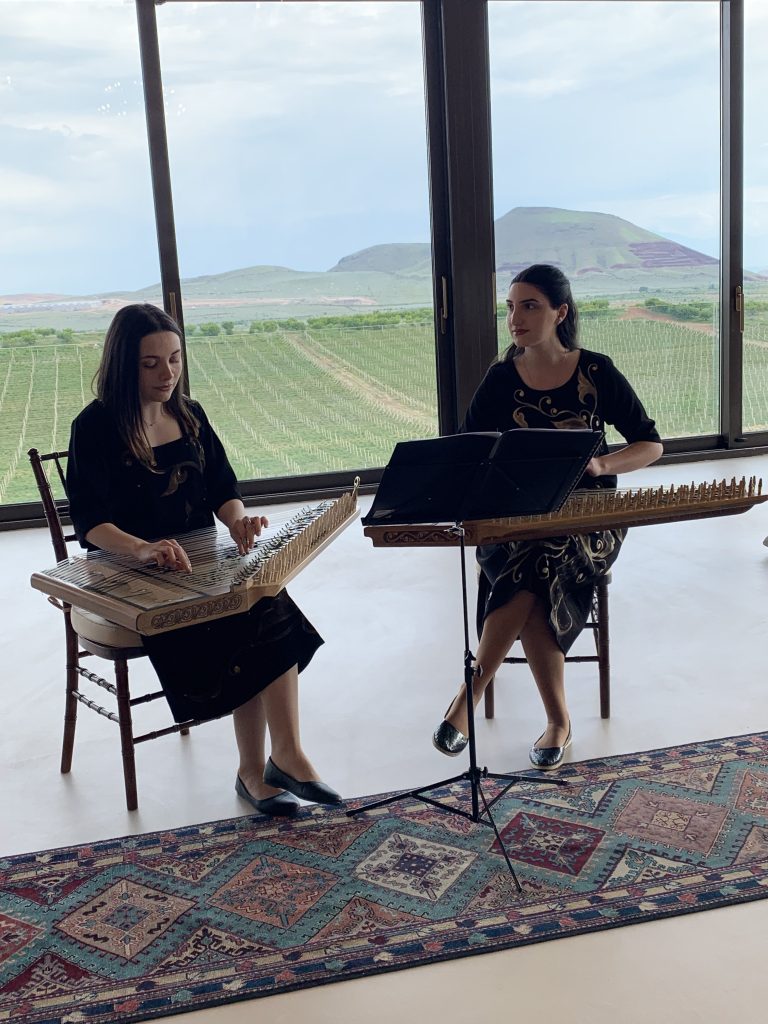
At ArmAs, 150 hectares of predominantly Areni and Voskehat are cultivated, but wine is also produced from Kangun and Karmrahyut, both of which are Armenian bred hybrids.
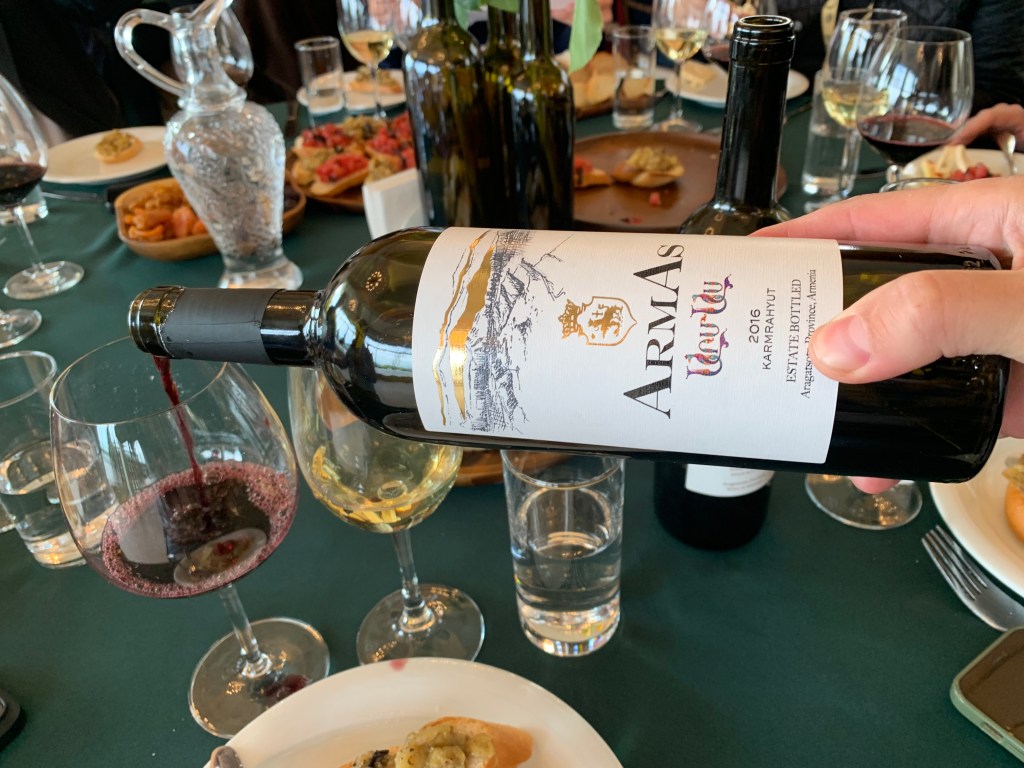
The winery sits at 40th degree north, which is actually quite far south, making for a warm to hot summer, but elevation helps mitigating the temperatures, as core vineyards sit at 1,400-1,800 meters above sea level.
Victoria Aslanian humorously dubs the estate ‘clos’ due to a 17 km wall surrounding it for comparisons to e.g. Burgundian estates, and today they process some 3,000 tons of grapes a year, of which 70% are white. A part of those whites goes into the production of brandy.
Beside wine, Armenia is very well known – and rightfully so – for their production of brandy and both the brandies of Yerevan Brandy Company and Armenia Wine Company are worth seeking out and both companies are highly recommended for visitors keen on learning more about these exquisite products, as especially the latter is home to an incredibly impressive exhibition of wine culture in Armenia dating back several millenniums.
An impressive legacy, which the Armenians are absolutely keen to carry on. I for one am going to watch the development with immense interest.

