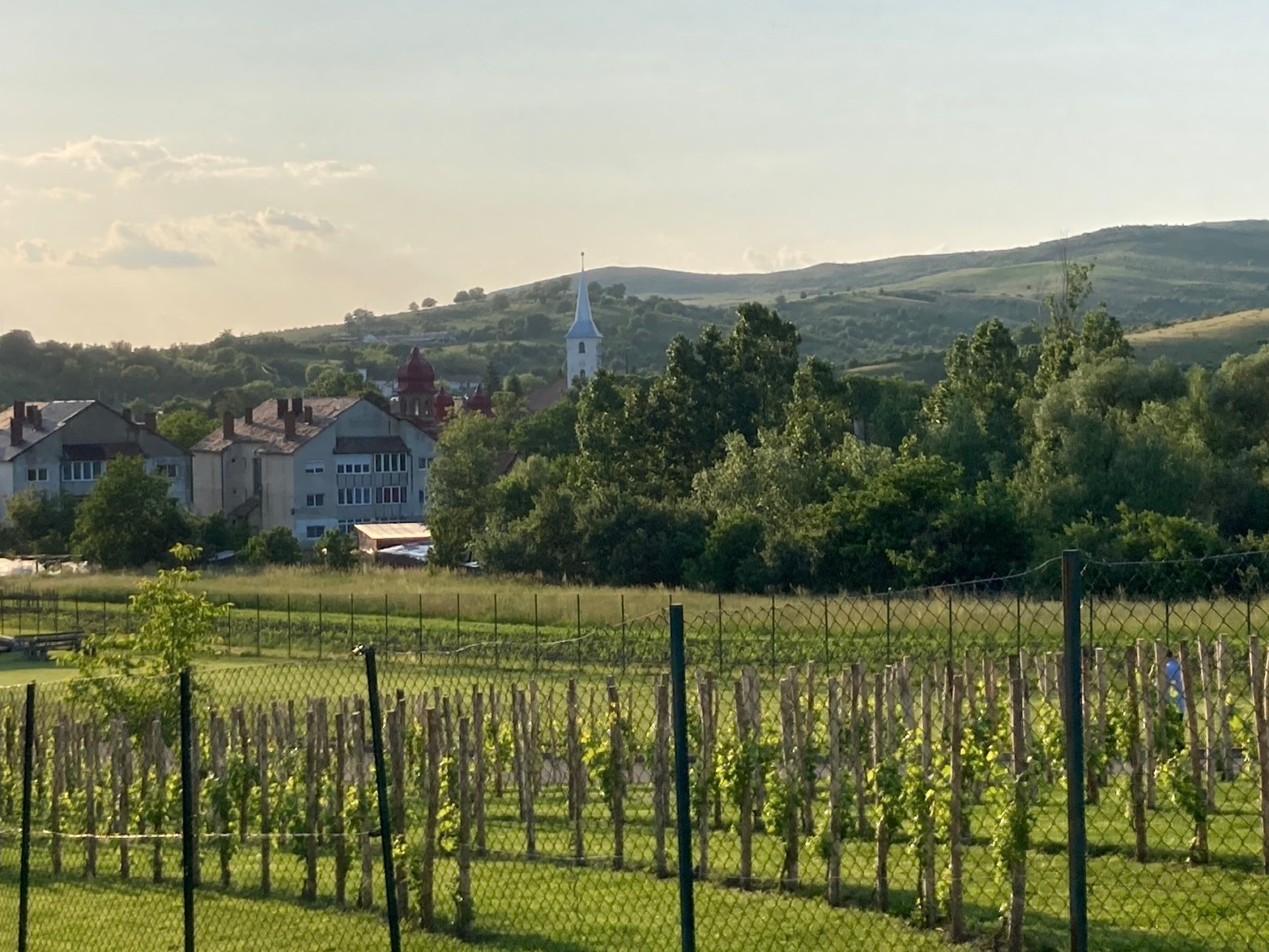
If there was ever a vastly underappreciated, yet highly interesting wine region, that region would be the Balkans – and this should not be the case, since the region has everything in place to secure a spot in the limelight.
Talking about the Balkans, I refer to all of Western Balkans, Romania, Bulgaria, Albania, Greece and Turkey, a part of Europe, where the history of wine production dates back to the Romans and even further back and a region so incredibly rich in exciting indigenous grape varieties, grown in such different climatic, geological and topographical condition and together, these factors make the Balkans such an interesting place for bounty hunting.
To recognize this part of the world of wine and to help it gaining much deserved recognition, Balkans International Wine Competition (BIWC) was created by Galina Todorova Niforou.
Originally, the competition took place in Sofia, but since 2022 the competition takes place in different countries in the Balkans. Salamina, Greece hosted, the 11th edition (2022), the 12th edition (2023) took place in Transylvania, Romania, in 2024, the 13th edition was shared between Turkey and Bulgaria and the 14th edition (2025) is set to take place in Naoussa, Greece.
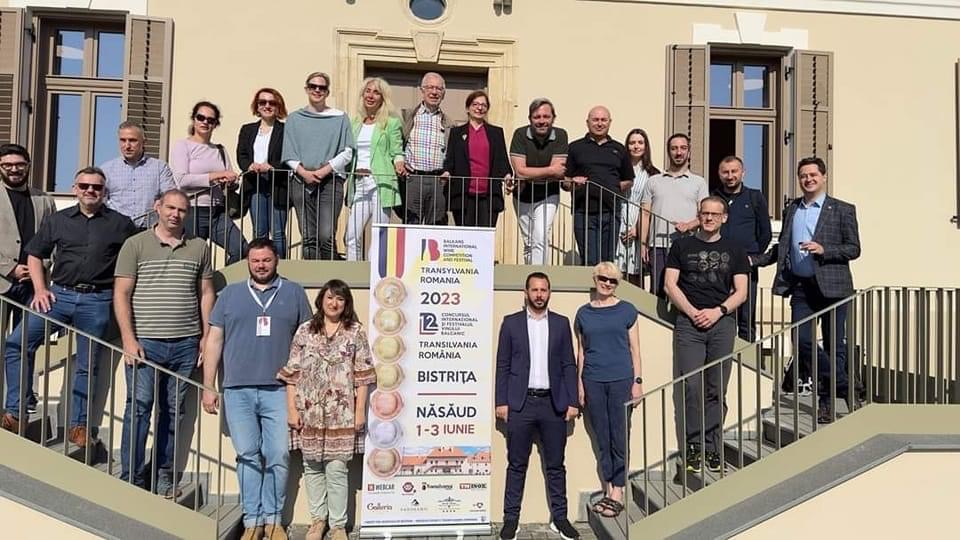
Since its earliest days, BIWC has really been instrumental in increasing the awareness of the wines of the Balkans worldwide and changing venues should only add to achieving this aim.
I remember, how my affection for the region began with tasting some beautiful Greek wines at a tasting in Copenhagen almost a decade ago and since then, several visits to the Balkans have only deepened my love for this southeastern corner of Europe.
I have served as a judge at the 2018 and 2023 editions of BIWC and each time I visit the region, I am excited about the stylistic diversity and the quality of the wines as well as the ongoing development amongst the producers, who push hard to continue to improve their techniques in wine growing as well as in the wine cellars.
Some Balkan countries, such as Greece, have become household names in the world of wine. Hence, tasting beautiful Greek wines come as little surprise, whereas most people would be much more surprised to find high quality wines from Albania, Bosnia-Herzegovina – or even Serbia, a county capable of producing very good wines indeed!
The dynamic Serbian wine scene
The Serbian wine scene these years is very dynamic with events such as Wine Vision by Open Balkan and the annual celebration of the Prokupac on Prokupac Day in October amongst many others taking place to support and cast light on the many excellent wineries and their wines.
Only a few weeks ago, I had a wonderful déjà vu to last year’s BiWC in Transylvania, as I was presented with two bottles from Serbian producer, Podrum Pevac.
Upon tasting the wines, I was quite excited, as parts of my flights last year included a Prokupac flight and a Cabernet Sauvignon/Cabernet Franc/Merlot flight and I remembered having tasting some very good wines in those flights. Both of the wines were awarded gold medals at the BIWC 2023, but I couldn’t tell, if these exact wines were included in my flights. It would have been such a wonderful story to tell, though, wouldn’t it…
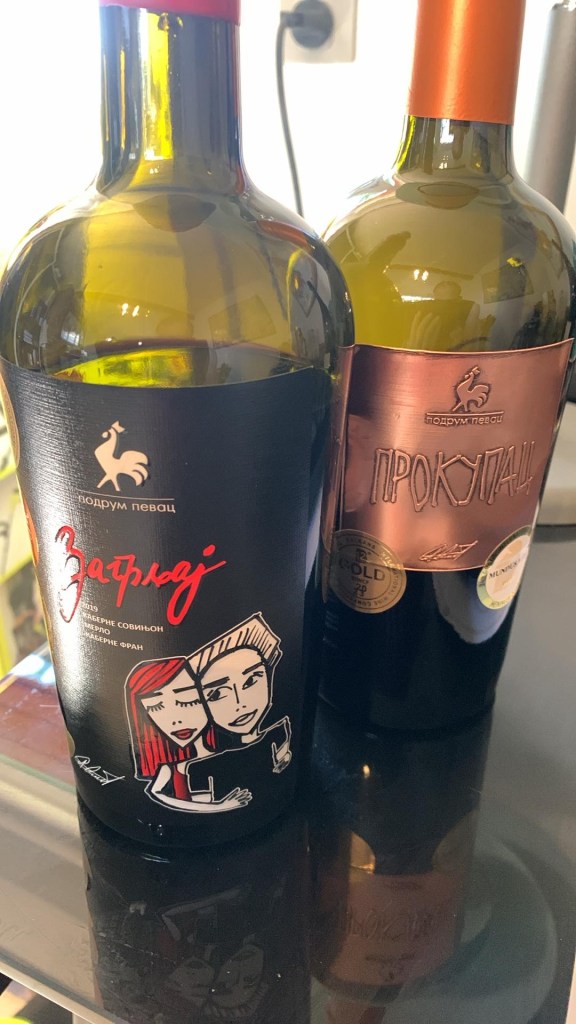
2019 Zagrljaj Cabernet Sauvignon/Merlot/Cabernet Franc
At 5 years of age, this is still a young wine and it still needs some time in the glass to fully open up.
Medium ruby with aromas of blackcurrant, blackberry, black cherry, black and red plum and crushed cranberry. 24 months in oak shows with notes of vanilla, spices, sweet tobacco, cedar, cocoa and coffee.
Noticable tannins and enough acid to balance the very ripe fruit character, this should go perfect with a hearty barbecue dinner.
2021 Prokupac
Prokupac is increasingly being produced as a varietal wine, rather than blending it with other varieties and this wine is a perfect example, why this is!
Seductive ruby colour in the glass. Lovely red fruited perfume with a liquorice back curtain. Red cherry, strawberry, pomegranate, cranberry. The fruit pairs so nicely with the liquorice, eucalyptus and just a whiff of spice. Lovely structure with acid uplifting the fruity perfumes and just the right amounts of ripe tannins to make this a very nice gastronomic red.
Fresh off the press, Serbian winery Vinarija Vinum was awarded the Grand Trophy in the 2024 Balkans International Wine Competition for their dry white, 2019 Grasac Beli.
Romania on the rise
I mentioned it earlier, already. There has been quite an upward trending development in the Balkans over the couple of decades or so with much better wines being produced now.
When you travel the region, beside the beauty of the wine regions, you really feel the changes. Changes in how to work in the vineyards, the way things are done in the cellars, the styles of wine produced and from which varieties – and the improvements of the quality.
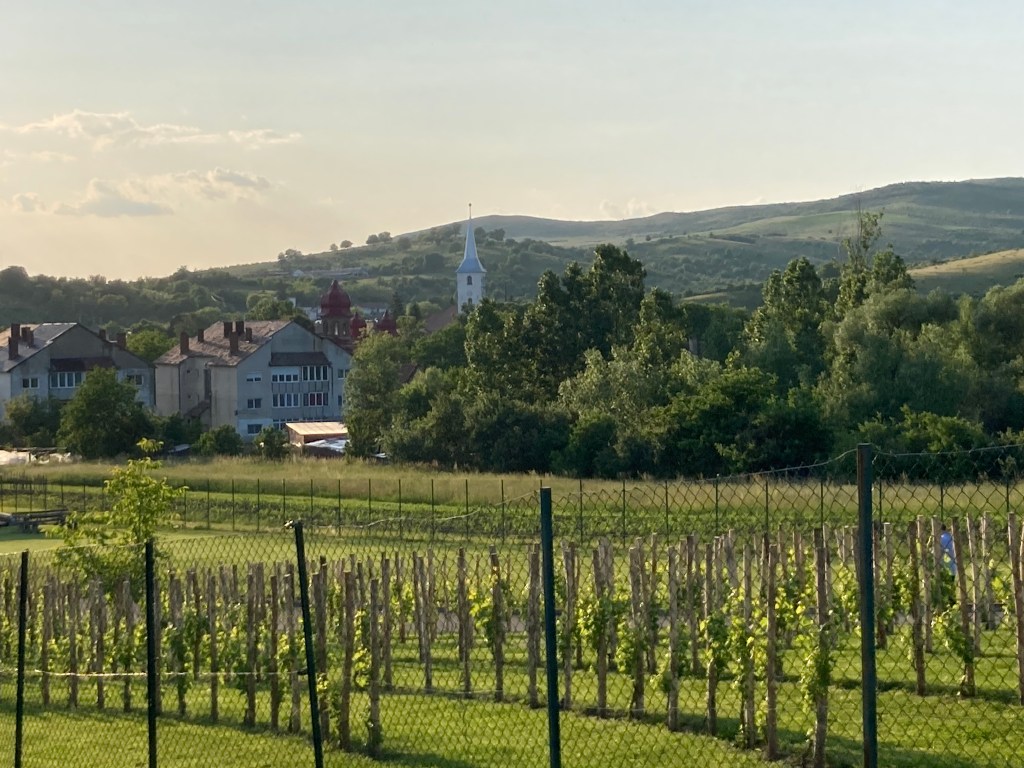
Obviously, the more experienced you get, the better you will understand the soils, the climate and the grapes – and alas, the better wines, you will produce.
Another reason has been a better understanding the demands of the export markets, which do no longer ask for overtly oaked reds produced from grapes left too long on the vines. And at the same time, domestic markets continue to develop, leading to an increased demand for higher quality wines from increasingly more knowledgeable and demanding customers.
One only has to recall, that a very strong Romanian team won the 2023 World Blind Tasting Championships to put things into prospective.
In recent years, these developments have led to the production of lots of wines showing much fresher fruit, wines with much better balance, with less dried and raisiny fruit and much less oak dominance. These wines may very well still be both big and bold, showcasing their origin. But the balance is better!
Winemaking in general has improved. The best wines keep getting better and there is an ever-increasing number of very good wines, which to this day remain excellent values, across the region.
Another important factor is investments, because investments will obviously give the producers more of a free choice to pursue their preferred ways of doing things. Let us take Romania as an example. These investments come from within Romania, but also from elsewhere. From places such as France, Austria and Italy. Examples unclude Antinori’s investments in Viile Metamorfosis in Dealu Mare, Kracher being part in Liliac in Transylvania and Philip Cox decades-long involvement in Recas near Timisoara not far away from the Hungarian border.
At Rovinhud in Timisoara, which I have attended in 2017 and 2019, annually put the best of Romanian wines on display and at the same time shown the diversity of the country’s wines from full bodied reds from e.g. Dealu Mare over Feteasca Neagra in so many interpretations to crisp whites and rosés from Dobrogea.
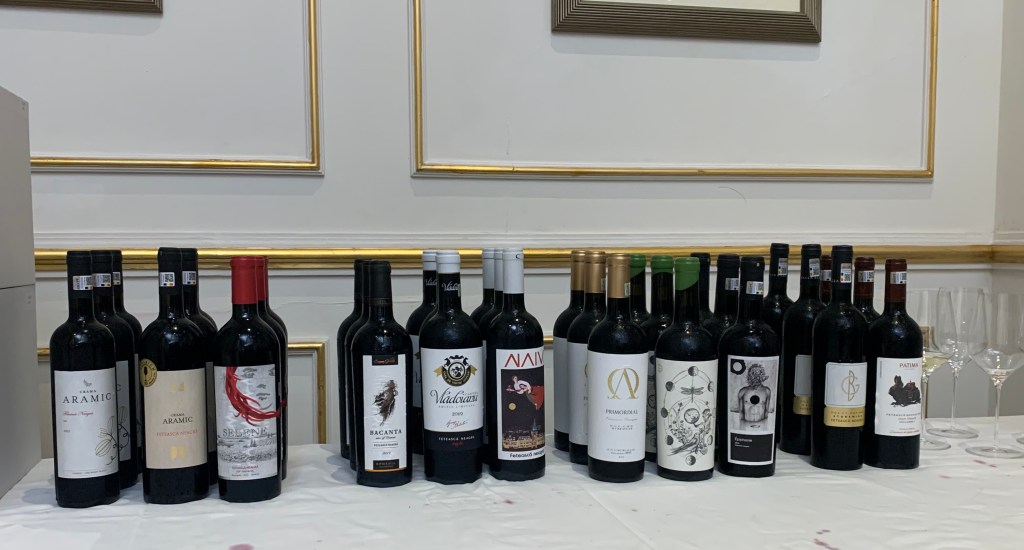
And only this weekend, I tasted 11 very different Feteasca Neagra at a master class in Budapest during the Winelovers Wine Awards, led by Zoltán Szövérdfi-Szép, showing great promise, immense diversity and great overall quality from Romanias’s greatest black variety. One important take-away from the master class is, that producers less frequently revert to extended hang-time on the vines, which has previously led to a more raisiny fruit character. Also, it is positive to see very nice unoaked wines being produced from Feteasca Neagra.
Turkish delights
Judging regional competitions allows you to truly explore, to taste and experience wines, you wouldn’t come across too often in Denmark. And you never know, what you are served next. Might be a flight of indigenous whites from all over, a varietal flight or one entirely from the same country. And you never know, where the next gem is hidden.
Of course, we struck gold amongst some of the international varieties, including Pinot Noir, Sauvignon Blanc, Chardonnay and a beautiful, almost Glögg-ish Cabernet Franc(!), but I am even more excited, when I come across excellent wines from indigenous varieties and we handed out gold to such different varieties as Žilavka, Debina, Fetească Regală, Prokupac, Rubin and Vranec (including a lovely sweet wine).
And some wines end up like small revelations, when you come across them!
I had such moments with two back-to-back wines at last year’s competition, both were sparkling, both Turkish and both from Karasakiz, a variety, not on my radar until then, to be honest.
These wines have everything going for them. Bruised apple character in an almost cider-like expression, noticeable autolytics and great definition. I could easily think of Champagne producers, whose style these wines resemble. Both were rightfully awarded Double Gold and to me, Suvla “iyi ki” Rosé Karasakiz 2019 would have been a most worthy winner of the Grand Trophy, but in the end Argyros Estate Cuvée Evdemon 2019 ended up edging out the Turkish sparkling.
A most recent development is The Ultimate CEE Wine Fair, which had its highly successful debut in London only this June. For Zsuzsa Toronyi and Caroline Gilby MW, this event is about showing to the UK trade and press (and through them the rest of us) just how interesting and exciting the highly diverse wines from the Central and Eastern Europe (including the Balkans) are, from Armenia to Ukraine and in between.
The wine scene of the Balkans is indeed buzzing and the time has come for you to go treasure hunting – and, you know? There is super great value to be found.
 LehmannLarsen.com